
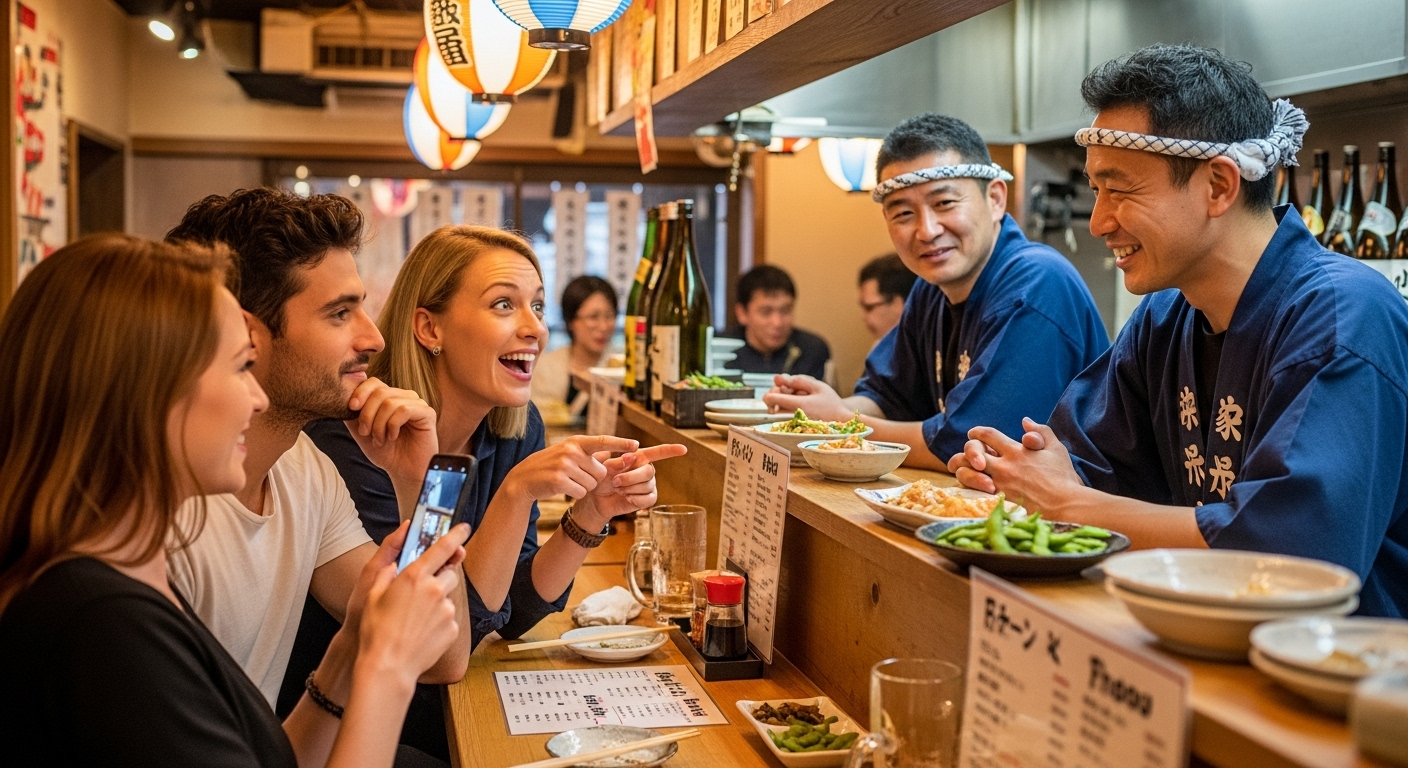
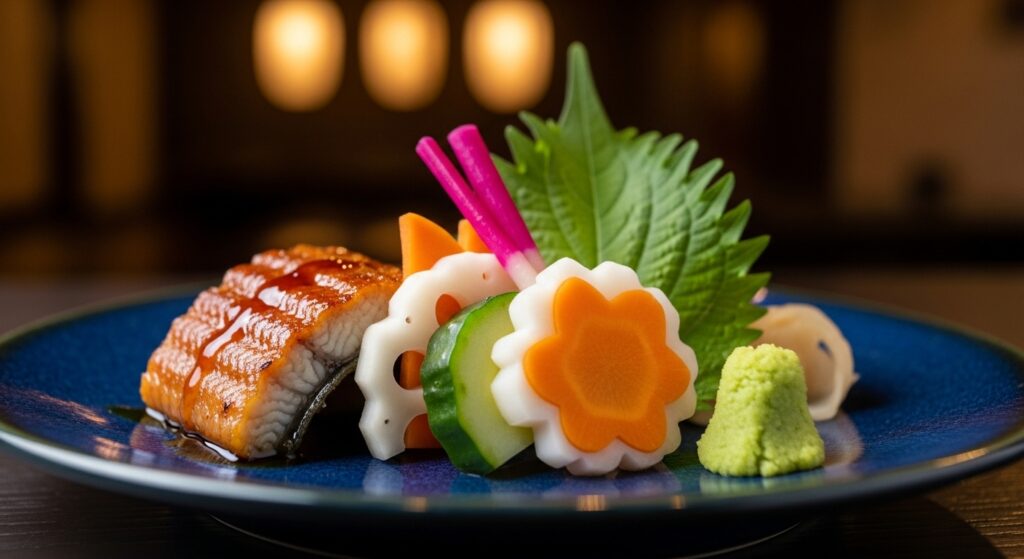
That tiny dish that appears the moment you sit down at an izakaya? That’s your golden ticket to reading the room. Called otoshi in Tokyo (or tsukidashi in Kansai), this automatic appetizer is more than just a snack—it’s the bar’s handshake, their promise of what’s to come.
Here’s the thing most travelers miss: otoshi doubles as your table charge. You’ll typically pay ¥300–¥500 per person, though trendy spots in Shibuya or upscale venues might nudge closer to ¥1,000. But don’t think of it as a fee—think of it as your first clue about whether you’ve stumbled into somewhere special.
What Exactly Is Otoshi?
Otoshi is a small appetizer served automatically when you’re seated, functioning as both welcome dish and cover charge. Unlike Western restaurants where you choose your starter, this one’s chosen for you. And here’s the key: it’s usually non-negotiable.
The smoothest move? Ask upfront: “Do you have an otoshi or table charge? How much per person?” No awkward bill surprises, just clear expectations from the start.
7 Quick Tells of a Good Izakaya (Through Your Otoshi)
1. Seasonality Shows
Great izakaya rotate their otoshi with the seasons. Spring bamboo shoots in April, grilled eggplant in August, sweet potato in October. If your dish whispers “this could only be now,” you’re in good hands.
2. Technique Shows
Notice how the vegetables are prepared. Did someone salt them first, drain the moisture, then finish with dashi? Or were they just tossed on a plate? Real technique takes time—and good bars invest that time even in a ¥400 dish.
3. Temperature Is Right
Warm things arrive warm. Cold things arrive cold. Crispy things are actually crispy. It sounds basic, but timing every table’s otoshi perfectly is harder than it looks. When a place nails it, they’re probably nailing everything else too.
4. Plate & Space
Check the rim of your dish—is it clean? Is there intentional negative space, or did they cram everything together? Thoughtful plating in a ¥500 appetizer signals care across the entire menu.
[Image suggestion: Split image showing a carefully plated otoshi (clean rim, thoughtful composition) versus a carelessly assembled one]
5. A Tiny Pairing Tip from Staff
“This otoshi goes really well with our house sake” or “Start with a highball—it cuts through the richness.” When staff connect your first dish to your first drink unprompted, they’re orchestrating your experience, not just taking orders.
6. Menu Coherence
Does the otoshi preview the house style? A place specializing in grilled seafood shouldn’t serve you pickled vegetables with no context. The best spots use otoshi to set expectations for what they do best.
7. Portion Logic
Three to four bites that make you want more—not so filling you’re already satisfied, not so skimpy you feel cheated. It’s a delicate balance, and places that understand it usually understand hospitality.
Phrases to Keep Things Smooth
Traveling in Japan gets easier when you have a few key phrases ready. Try these:
- “Otoshi wa ikura desu ka?” (おとおしはいくらですか?) — “How much is the otoshi?”
- “Arerugii ga arimasu. Otoshi wo kaeraremasuka?” (アレルギーがあります。お通しを変えられますか?) — “I have an allergy. Could the otoshi be adjusted?”
- “Kyou no otoshi ni au nomimono wa?” (今日のお通しに合う飲み物は?) — “What drink pairs with today’s otoshi?”
Most izakaya are flexible about allergies if you ask politely upfront. The otoshi usually can’t be removed (it’s part of the seating arrangement), but many places will swap it for something simple like edamame.
[Image suggestion: Friendly izakaya staff member presenting otoshi to customers at the counter, showing the personal interaction aspect]
Why This Matters for Your Japan Experience
Here’s what separates a forgettable bar crawl from a night you’ll remember for years: reading the signals. Otoshi is Japan’s way of saying, “Before you order anything, let us show you who we are.”
A wilted vegetable or room-temperature fish paste? That’s your cue to have one drink and move on. But a perfectly grilled piece of lotus root with sesame miso, still warm from the kitchen? Settle in. You’ve found somewhere worth exploring.
The beauty of Japanese bar culture is that quality isn’t always about price. Some of Tokyo’s best izakaya are tucked down alleys in Kichijoji or under train tracks in Yurakucho, charging the same ¥400 otoshi as the mediocre chain next door. The difference is in the details.
Your Next Move
Ready to decode Tokyo’s izakaya scene with someone who knows which doors to push open?
Small-group, local-led bar experiences take the guesswork out of finding those hidden gems. You’ll learn to read rooms like a regular, understand what you’re eating (and why it matters), and actually talk to the chefs making your food—no awkward language barriers, no tourist traps.
Discover deeper Tokyo experiences →
Small-group experiences with knowledgeable local guides take the guesswork out of finding hidden gems. You’ll learn to read neighborhoods like a regular, connect with authentic Tokyo culture, and interact with locals—no awkward language barriers, no tourist traps. Whether you’re exploring food culture, nightlife, or local neighborhoods, there’s a route that matches your pace. No pressure, no rushing—just authentic experiences and the kind of stories you can’t Google.