
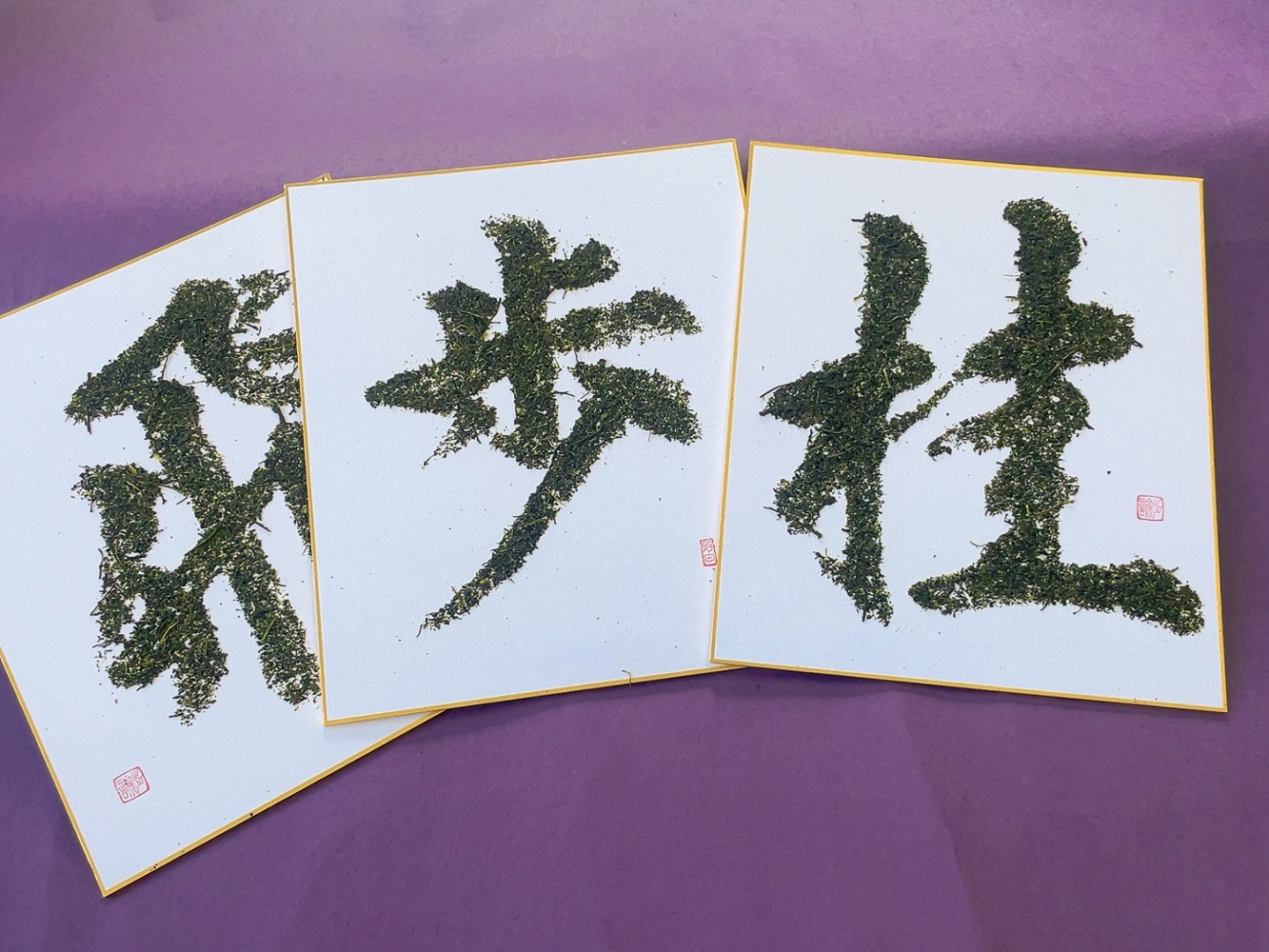
And what tea and calligraphy can teach us about clarity
In many parts of the world, speed is praised.
Quick decisions, fast answers, instant responses.
Yet in Japan, some of the most important decisions are never rushed.
This can feel confusing to visitors. Meetings pause. Silence appears.
People seem to wait—not because they don’t know what to do, but because they are preparing to decide.
This way of thinking is deeply rooted in Japanese culture, and it appears most clearly in two traditional practices: tea and calligraphy.
Preparation comes before action
In Japanese culture, action is rarely the first step.
Before a tea ceremony begins, the room is prepared.
Before the tea is served, there is silence.
Before a brush touches paper, the mind is settled.
This preparation is not decorative. It is functional.
The idea is simple:
a decision made in noise is rarely a good one.
Why writing is the final step
Japanese calligraphy, shodō, is often misunderstood as an art form focused on beauty or technique.
In reality, it is closer to a form of commitment.
There are no sketches. No erasing.
Once the brush touches the paper, the stroke is final.
That is why the most important part of calligraphy happens before writing begins.
The quiet moment.
The breath.
The decision of what to write—and why.
Only then does the brush move.
Tea as a tool for clarity
Tea plays a similar role.
It slows the body down.
It engages the senses.
It creates a natural pause.
In traditional contexts, tea is not consumed to energize, but to center.
When the body settles, the mind follows.
And when the mind is clear, decisions become simpler—not easier, but more honest.
Choosing one word
Imagine being asked to choose just one word to represent your intention.
Not a sentence.
Not an explanation.
One character.
The difficulty is not writing it beautifully.
The difficulty is deciding what truly matters enough to write.
This is why Japanese culture values process over speed.
Clarity is not forced.
It is allowed to emerge.
A modern problem, an old solution
Today, many people feel overwhelmed not because they lack options, but because they have too many.
Too many choices.
Too many opinions.
Too much noise.
The Japanese approach does not try to solve this by thinking harder.
It solves it by slowing down.
By preparing first.
By listening before acting.
By deciding only after clarity appears.
Experiencing the idea, not just reading it
Some experiences allow you to understand this way of thinking not intellectually, but physically.
Through silence.
Through tea.
Through the act of committing a single character to paper.
Not as a lesson, but as a moment.
If this way of thinking resonates with you, you may enjoy this experience:
👉 Shodō Meets Tea
https://crazyescape.net/experience/teacalligraphy/
A question to leave you with
If you had to slow down, prepare your mind, and choose just one word—
What would you write?