
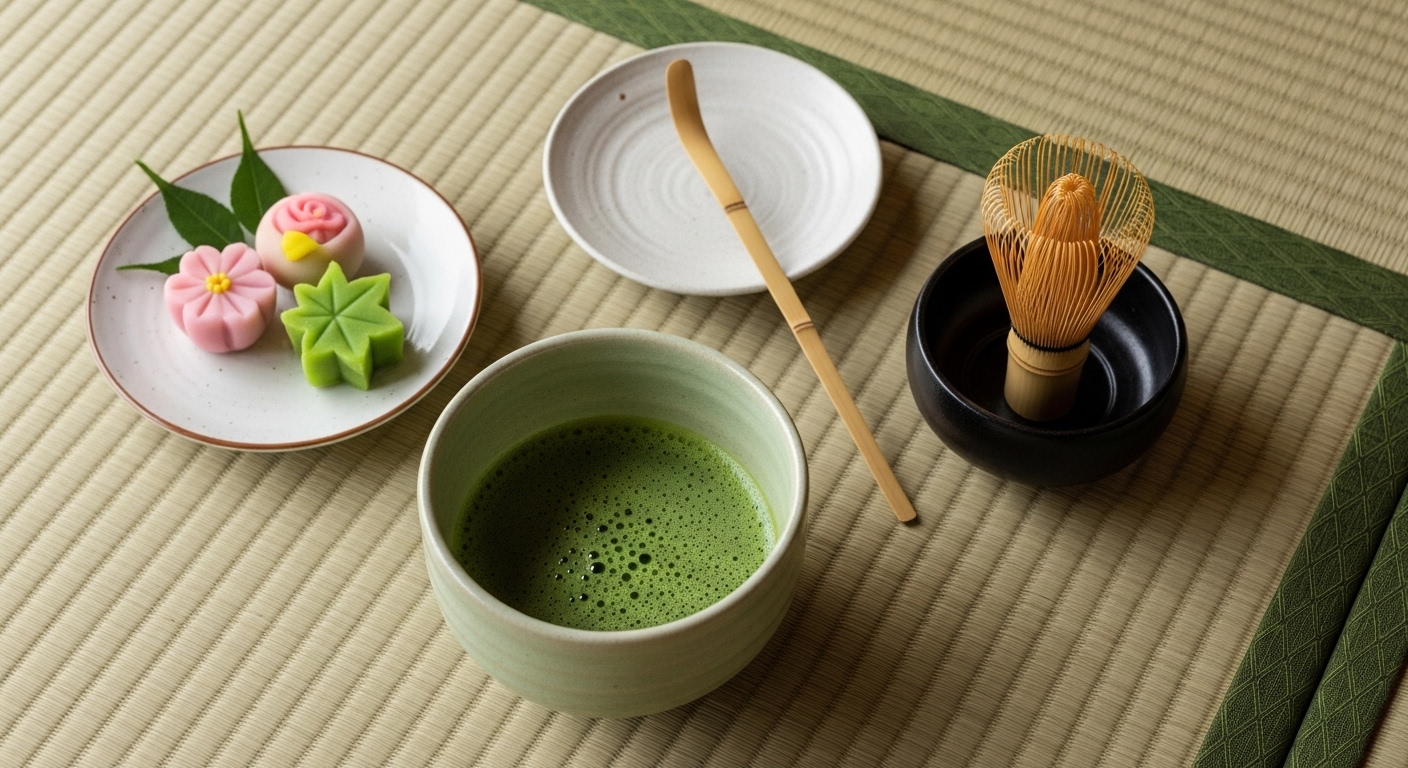
Discover authentic Zen experiences in Japan through meditation, temple stays, and tea ceremony. Learn how to practice zazen with monks and find peace in Kyoto’s hidden temples.
In a world that never stops scrolling, Japan offers something rare: permission to be still.
If you’ve been craving a travel experience that goes beyond selfies and souvenir shopping—one that actually changes how you see the world—Zen practice in Japan might be exactly what you need. This isn’t about becoming a monk or mastering the lotus position. It’s about discovering a centuries-old approach to mindfulness that you can bring home with you.
What Zen Actually Means (Beyond Instagram Quotes)
Walk into any Japanese temple, and you’ll feel it before anyone explains it. That quietness. That sense of deliberate simplicity.
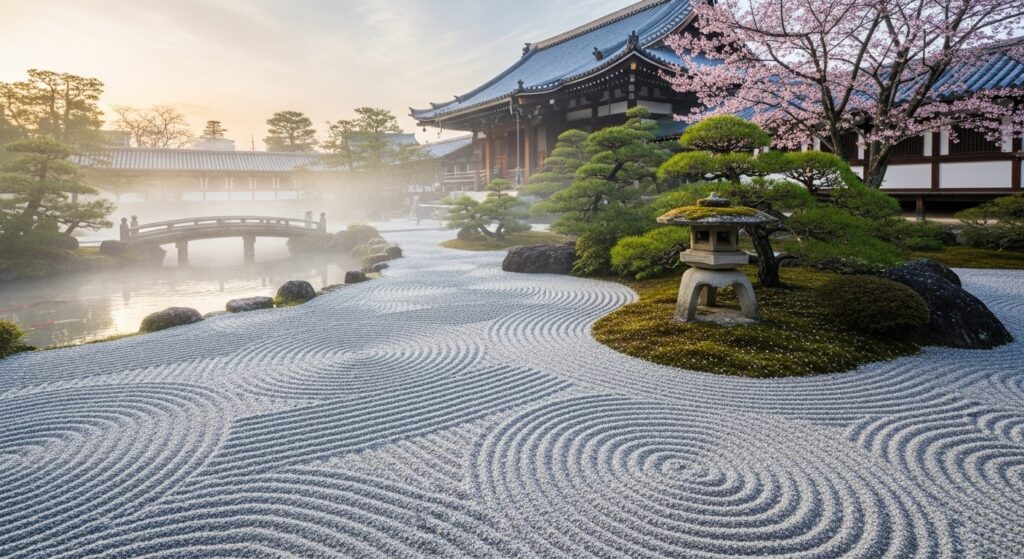
Zen (禅) isn’t just meditation—it’s a philosophy of living fully in each moment. Born from Buddhist traditions over a thousand years ago, Zen strips away the unnecessary to reveal what matters. That’s why Zen gardens have three rocks instead of thirty. Why tea ceremony takes an hour to make one bowl of tea. Why monks spend years perfecting a single brush stroke.
The principle ichi-go ichi-e (一期一会)—”one time, one meeting”—captures this perfectly. Every moment is unrepeatable, so bring your full attention to it.
You’ll encounter this mindset everywhere in Japan: in the way a chef places garnish, how a gardener prunes a bonsai, even in the ritual of bowing. These aren’t empty gestures. They’re tiny acts of complete presence.
Zazen Meditation: Sitting with Yourself (And Yes, Your Thoughts)
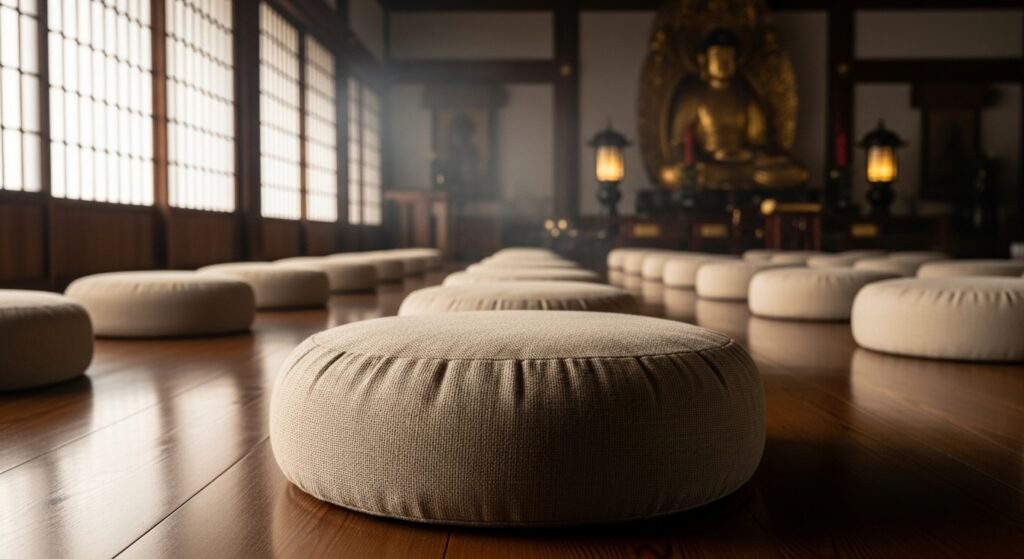
Zazen (座禅)—seated Zen meditation—is the beating heart of Zen practice. Picture this: you’re in a 400-year-old temple hall, sitting on a cushion as dawn light filters through paper screens. A monk rings a bell. You close your eyes, focus on your breath, and…
Your mind explodes with thoughts.
Did I turn off the stove? What’s for lunch? Why does my knee hurt? I should be more Zen. Wait, am I doing this wrong?
Here’s the secret: that’s completely normal. Zazen isn’t about achieving a blank mind—it’s about noticing when your mind wanders (it will, constantly) and gently guiding it back to your breath. Again. And again. And again.
What to Expect in Your First Zazen Session
Most temples welcome beginners for early-morning or evening sessions, often with basic English guidance:
The Setup:
- You’ll sit cross-legged on a cushion (or in a chair—totally acceptable)
- Hands rest in your lap, left over right, thumbs lightly touching
- Eyes stay half-open, gazing downward at a 45-degree angle
- The monk may carry a wooden stick (keisaku) to tap your shoulders if you slouch—it’s not punishment, it’s encouragement
The Practice:
- Sessions typically last 20-40 minutes
- Focus on breathing naturally—count breaths if it helps
- When thoughts arise, acknowledge them without judgment, then return to breath
- Discomfort is normal; even monks’ legs fall asleep
Pro Tips for First-Timers:
- Wear loose, comfortable clothing in dark or neutral colors
- Avoid heavy meals before sitting (trust us on this one)
- Silence your phone completely—even vibrations are distracting
- Don’t stress about “doing it right”—the practice is noticing when you drift
Many temples offer introductory zazen sessions specifically for travelers, with monks explaining the basics in English. It’s less intimidating than you might think, and infinitely more rewarding.
Temple Stays: Living the Monastic Life (Just for a Night)
Want to go deeper? Shukubō (宿坊)—temple lodging—lets you experience the rhythm of monastic life firsthand.
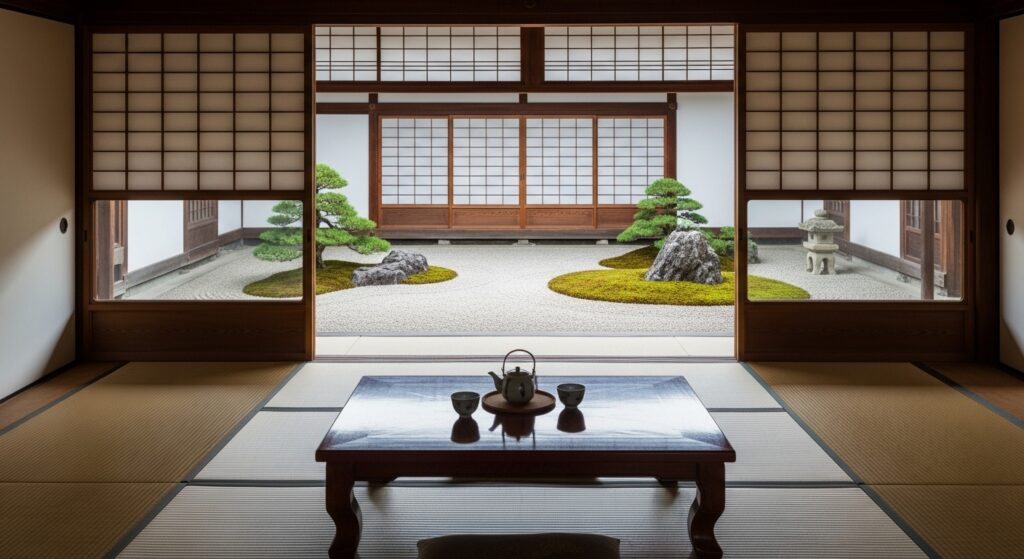
You’ll sleep on tatami mats, eat simple vegetarian meals (shōjin ryōri), and wake at dawn to the deep resonance of temple bells. No TVs. No Wi-Fi (usually). Just the sound of gravel underfoot, incense in the air, and your own thoughts finally catching up with you.
Top Temple Stay Destinations in Japan
Mount Kōya (Kōyasan), Wakayama A sacred mountain hosting over 50 temples offering overnight stays. Wake to morning prayer chants, explore misty cemeteries, and eat sublime Buddhist cuisine. This UNESCO World Heritage site is Japan’s spiritual epicenter.
Kyoto’s Temple Districts From Zen gardens in Arashiyama to meditation sessions in Higashiyama, Kyoto’s temples range from austere to accessible. Many offer English-friendly programs and combine zazen with tea ceremony or calligraphy.
Nagano Prefecture Home to Zenkō-ji Temple and mountain retreats, Nagano welcomes beginners with open arms. The cooler climate and alpine scenery add an extra layer of tranquility.
What Makes Temple Stays Different from Hotels
This isn’t hospitality in the Western sense—it’s participation. You follow the temple schedule, maintain silence during certain hours, and respect sacred spaces. The experience strips away the usual tourist buffer between you and Japanese culture.
Meals are a revelation. Shōjin ryōri (Buddhist vegetarian cuisine) transforms humble ingredients—tofu, seasonal vegetables, mountain herbs—into artful, mindful eating. Each dish arrives on lacquerware, arranged with the precision of a still-life painting.
Zen Beyond the Cushion: Tea, Gardens & Calligraphy
Not ready for hours of sitting meditation? Good news: Zen practice takes many forms in Japan, and most feel more like art than discipline.
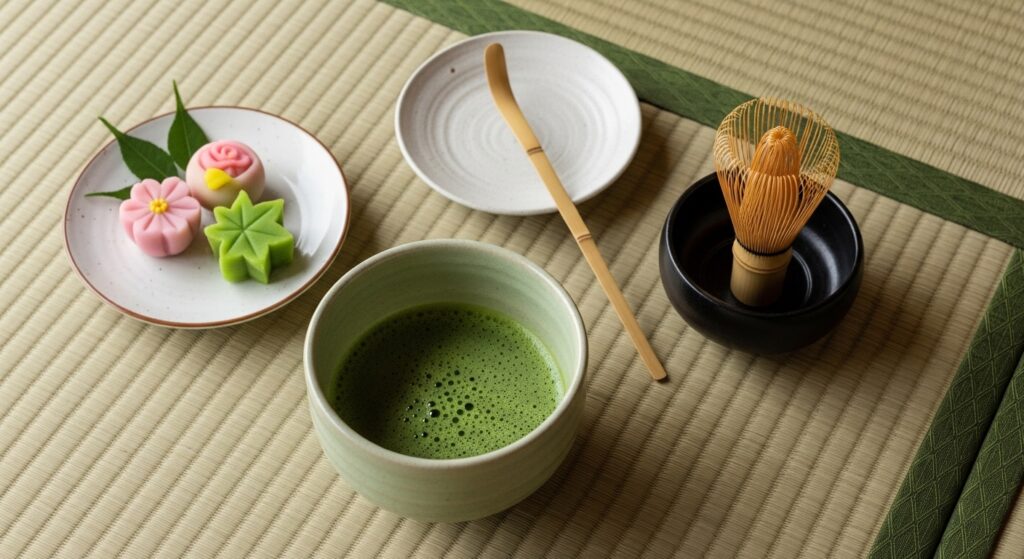
Tea Ceremony (Sadō)
The Japanese tea ceremony isn’t about drinking tea—it’s about doing one thing completely. Every movement—how you hold the bowl, how you rotate it, how you place it down—follows centuries of refinement.
A full ceremony can last hours, but most tourist-friendly experiences last 45-60 minutes. You’ll learn basic etiquette, taste ceremonial-grade matcha, and understand why this ritual has captivated practitioners for 500 years.
The lesson? When you make tea, make only tea. When you drink tea, only drink tea. Full attention transforms the mundane into meditation.
Zen Calligraphy (Shodō): Where Tea Meets Art
Here’s where Zen gets unexpectedly creative. Japanese calligraphy (書道 – shodō) embodies everything Zen stands for: one brush, one stroke, no second chances. But what if you could make that ancient practice even more mindful—and sustainable?
In Tokyo’s artistic Shimokitazawa neighborhood, there’s a hidden experience that fuses tea with calligraphy in a way you’ve never imagined. Instead of just ink, you’ll use actual tea leaves—those not suitable for drinking—to create raised, textured characters on paper. The fibers of the tea add expressive depth to each stroke, and even beginners craft something genuinely beautiful.
What makes this experience special:
- Sensory immersion: You’re not just writing—you’re smelling the subtle aroma of tea, feeling the texture of leaves, experiencing the weight of the brush
- Sustainability with soul: Using upcycled tea leaves that would otherwise go to waste, transforming them into art
- Professional guidance: A skilled calligraphy artist teaches you proper brush grip, stroke techniques, and the fundamentals of shodō
- Take it home: Your artwork retains the fragrance and antibacterial properties of tea—a meaningful souvenir or gift
The 2-hour session begins with practice strokes using transparent glue, then progresses to creating your final piece. You choose a character that resonates with you—maybe 禅 (Zen), 茶 (tea), 和 (harmony), or 静 (stillness)—and bring it to life with tea-infused artistry.
This isn’t just about making pretty art. It’s about presence. As your instructor will explain, the character you choose and the way you write it reveal your state of mind. The unpredictability of the tea leaves adds an element of surprise—you never know exactly how the final piece will look until it’s complete.
💡 Ready to create your own tea-infused masterpiece? Book the Zen Tea Calligraphy Experience
Traditional Calligraphy Experiences
If you prefer the classical approach, many temples and cultural centers offer beginner calligraphy sessions with traditional ink. You’ll learn to grind ink, hold the brush vertically, and create basic characters. The meditative state arrives naturally as you focus on breath and movement—each stroke a small meditation.
Zen Gardens (Karesansui)
Those famous “rock gardens” aren’t meant to represent anything specific. They’re visual koans—puzzles for the mind. Raked gravel suggests water, stones suggest islands or mountains, but the interpretation is yours.
The act of creating these gardens—placing each stone, raking each line—is itself a meditation. Some temples let visitors try their hand at garden raking, which is harder (and more addictive) than it looks.
Must-see Zen gardens:
- Ryōan-ji Temple, Kyoto (15 stones that never all appear visible at once)
- Daisen-in Temple, Kyoto (3D landscape in miniature)
- Adachi Museum of Art, Shimane (living garden that changes with seasons)
Practical Guide: Planning Your Zen Experience in Japan
Best Times to Visit
Spring (March-May): Cherry blossoms add poetic beauty, but expect crowds at famous temples. Book well in advance.
Autumn (September-November): Peak season for temple visits. Fall foliage around Kyoto is spectacular but busy.
Winter (December-February): Fewer tourists, lower prices, and snow-covered temples offer stark beauty. Morning zazen in the cold is challenging but unforgettable.
Summer (June-August): Hot and humid, but off-season rates apply. Early morning sessions avoid the heat.
What to Wear & Bring
For Temple Visits:
- Modest clothing covering shoulders and knees
- Socks (you’ll remove shoes frequently)
- Small bag for shoes you carry inside
- Cash (many temples don’t accept cards)
For Zazen & Temple Stays:
- Loose, dark-colored pants (stretchy fabric helps)
- Long-sleeved shirt or light sweater
- Personal toiletries (temples provide basics)
- Open mind, patient attitude
For Calligraphy Experiences:
- Comfortable clothing you don’t mind getting ink (or tea) on
- A bag for carrying your artwork home
- Camera for capturing your creation (photos allowed)
Language Considerations
While many temples now offer English support, don’t expect fluent conversations. The beauty of Zen practice is that it transcends language—silence is universal.
That said, learning a few phrases helps:
- Onegaishimasu (oh-neh-guy-shee-mahs) = “Please” / “I request this”
- Arigatō gozaimasu (ah-ree-gah-toh go-zai-mahs) = “Thank you very much”
- Sumimasen (soo-mee-mah-sen) = “Excuse me” / “I’m sorry”
Bringing Zen Home: Practice Beyond Japan
The monk’s words stay with you on the flight home: “Before enlightenment, chop wood, carry water. After enlightenment, chop wood, carry water.”
Zen isn’t about escaping ordinary life—it’s about bringing full presence to it. That means your morning coffee can be zazen. Walking your dog can be walking meditation. Washing dishes can be a tea ceremony for one.
Simple ways to practice Zen daily:
The One-Breath Reset: When overwhelmed, stop and take one complete breath. Notice the sensation. That’s Zen.
Single-Tasking: Choose one activity per day to do without multitasking. Just that. Fully.
Mindful Mornings: Before checking your phone, sit in silence for 60 seconds. Observe how your mind wants to rush forward.
Creative Meditation: Set aside time for painting, writing, or any art form. Focus completely on the process, not the outcome—just like your tea calligraphy experience.
Tech Sabbaticals: Designate phone-free hours or rooms. Notice the urge to reach for distraction.
Walking Meditation: Walk slowly, feeling each footfall. Coordinate breath with steps.
The point isn’t perfection. It’s practice. Some days you’ll feel present and peaceful. Other days your mind will race like a caffeinated squirrel. Both are part of the path.
Frequently Asked Questions About Zen Experiences in Japan
Is Zen meditation religious? Do I need to be Buddhist? Zen has Buddhist roots, but the practice itself is non-denominational. Temples welcome respectful visitors of all backgrounds. Think of it as a mental training technique that happens to have spiritual origins.
I have knee problems. Can I still do zazen? Absolutely. Most temples provide chairs or benches for those who can’t sit cross-legged. Comfort matters—discomfort distracts from practice.
Do I need artistic skills for calligraphy experiences? Not at all! The tea calligraphy experience is specifically designed for beginners. The instructor guides you through every step, from holding the brush to creating your final piece. The tea leaves actually make it easier to create beautiful, textured art.
How much does a temple stay cost? Typically ¥9,000-¥15,000 ($60-$100 USD) per night including meals. Fancier temples with private baths cost more. It’s comparable to budget hotel rates but includes meals and experiences.
Can I take photos in temples? Policies vary. Generally, exterior shots are fine, but always ask before photographing inside halls, during ceremonies, or near altars. Never use flash. When in doubt, just experience it without a camera.
What if I fall asleep during zazen? You’ll be in good company. Everyone’s mind wanders or dozes occasionally. The monk might tap your shoulder with the keisaku stick—it’s not punishment, just a gentle reset. Don’t be embarrassed.
Where is the tea calligraphy experience located? In Shimokitazawa, one of Tokyo’s most artistic neighborhoods. It’s easily accessible via the Keio Inokashira Line or Odakyu Line—just one minute from the station. The experience takes place in a hidden bar known only to locals, adding an element of discovery to your visit.
Do I need to book Zen experiences in advance? Yes, especially for temple stays at popular locations like Mount Kōya and unique experiences like tea calligraphy. Book at least a few weeks ahead during cherry blossom and autumn foliage seasons.
Ready to Find Your Zen?
Japan’s temples have been welcoming seekers for over a thousand years. The monks don’t care if you’re stressed, skeptical, or just curious. They only ask that you show up, sit down, and try.
You don’t need to be spiritual to benefit from Zen practice. You just need to be willing to slow down.
Whether you’re sitting in silent meditation at a mountain temple, creating tea-infused calligraphy art in Tokyo, or simply walking through a raked gravel garden—each experience teaches the same lesson: this moment, right here, is enough.
The temples will still be there tomorrow, next month, next year—unchanged by trends, unimpressed by Instagram. But the version of you that emerges after sitting in silence, sleeping in a monastery, or making a perfect bowl of tea? That might be very different from the one who arrived.
Start Your Zen Journey with Crazy Escape
Ready to experience authentic Zen practice in Japan? Crazy Escape curates immersive cultural experiences that go beyond typical tourist routes—connecting you with temples, meditation masters, and traditions that have shaped Japanese culture for centuries.
Featured Zen Experiences:
🍵 Zen Tea Calligraphy in Tokyo Fuse ancient calligraphy with sustainable tea art in Shimokitazawa. Perfect for creative souls and those seeking a unique, hands-on Zen experience.
- Duration: 1.5 hours
- Location: Tokyo
- Book Tea Calligraphy Experience →
🧘 Temple Meditation & Stays From single zazen sessions in Kyoto to multi-day temple stays on Mount Kōya, we’ll design an experience that fits your comfort level and travel style.
🌸 Combined Zen Journeys Want it all? Combine meditation, tea ceremony, calligraphy, and garden contemplation into a comprehensive Zen immersion.
Let us handle the language barriers, booking logistics, and cultural navigation so you can focus on what matters: being present.
Ready to trade the noise for silence? Your Zen journey begins here.